

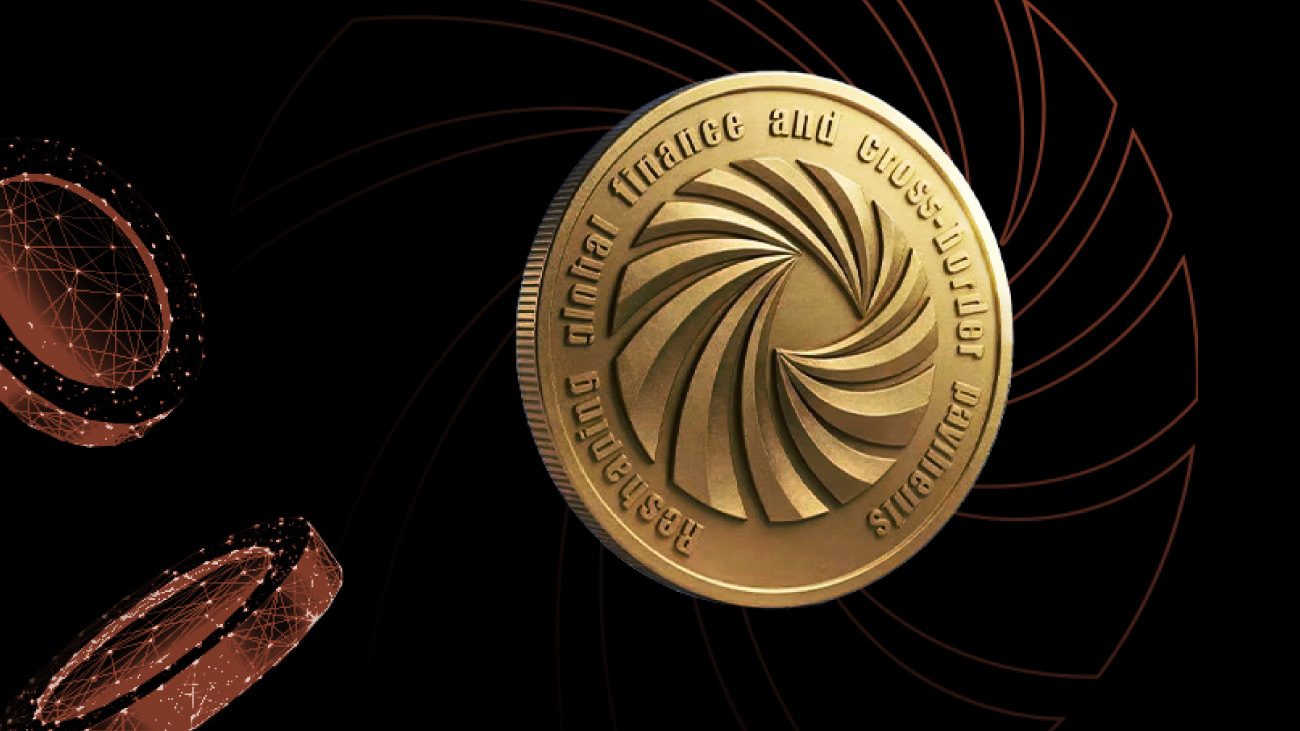
The new stablecoin comes to the market in two versions:
• EUB – referenced to the Euro and
• USB – referenced to the Dollar
Lisbon, Portugal, May 6, 2026 – Bison Bank, a Portuguese bank specialized in private banking, depositary bank, corporate advisory and digital assets services, today announced the official launch of the first Portuguese stablecoin: the ‘Bison Bank Electronic Money Token’. Designed for fast, secure, and transparent international payments and transfers, this digital asset will be issued as two distinct crypto-assets: one referenced to the Euro, named ‘EUB’, and another referenced to the US Dollar, named ‘USB’.
In January, the bank announced a strategic focus on developing tokenization capabilities. Today, that vision becomes a reality with the launch of these Electronic Money Tokens, marking Portugal’s pioneering entry into this space. This initiative is in full compliance with the MiCA (Markets in Crypto-Assets) Regulation, the European Union’s legal framework designed to harmonize crypto-asset regulation and ensure operational security and stability. This move highlights Bison Bank’s deep investment in the digital asset space and positions it among the first regulated financial institutions in Portugal to operate with innovative solutions under the new European framework.
A Bridge Between Traditional Money and the Digital Future
In 2022, Bison Bank launched Bison Digital Assets (BDA), the first Virtual Asset Service Provider (VASP) licensed by the Bank of Portugal and fully owned by a Portuguese bank. Through this subsidiary, Bison Bank enabled clients to access crypto-asset exchange and custody services directly from their bank accounts.
Now, Bison Bank Electronic Money Token sets a new standard for digital money. Fully compliant with the new European regulatory framework, Bison Bank Electronic Money Token fosters innovation while guaranteeing user protection and market stability.
“Bison Bank’s goal is to reshape the global financial landscape. Our new e-money token serves as a secure and stable bridge between traditional money and the digital future, focused on creating an efficient, fast, and secure channel for cross-border payments and transfers among a select group of institutional partners. We are merging the reliability of traditional banking with the innovation of digital assets, backed by security, transparency, and our global expertise. The Bison Bank Electronic Money Token is not just a Portuguese product; it is a global e-money token created by a Portuguese bank,” states António Henriques, CEO of Bison Bank.
What are Electronic Money Tokens?
An e-money token is the digital equivalent of cash, built on blockchain technology. By operating securely without intermediaries, it facilitates fast and safe online cross-border payments and transfers anywhere in the world. Each token represents an equivalent value in a traditional currency, like the Euro or the Dollar, and is issued by a regulated entity—in this case, Bison Bank—which guarantees that every token is backed 1:1 by real currency reserves. For this reason, unlike other crypto-assets, these tokens maintain a stable value, making them a more secure and suitable medium for payments.
Their issuance and operation adhere to strict financial regulations, including robust investor protection, which offers greater security for users of digital transactions.
As a financial service built on blockchain, Bison Bank Electronic Money Token will empower Bison Bank’s partners to reach new markets and customers with efficient and streamlined cross-border payment solutions.
António Henriques adds, “The Bison Bank Electronic Money Token will attract international institutional partners seeking security and regulatory compliance in the digital asset and payments space. It will also, of course, solidify Bison Bank’s position at the forefront of financial innovation.”
Further information on Bison Bank Electronic Money Token is available at https://bisonbank.com/eub/ and https://bisonbank.com/usb/. Please refer to the corresponding White Paper for full details.